

 Technically Reviewed ~TANYA TOMAR
 Learn how hydroponics works, explore popular hydroponic systems, and discover practical tips for hydroponics for beginners and pros in this clear guide.
Imagine growing fresh lettuce, herbs, or even strawberries without soil — indoors, year-round, using less water than traditional farming. That’s the promise of hydroponics, a method of growing plants that’s rapidly gaining popularity among home growers and commercial farmers alike.
Whether you’re curious about hydroponics for beginners or you’re a professional exploring efficient growing methods, understanding the basics of hydroponic gardening can open up exciting possibilities. In this guide, we’ll break down exactly how hydroponics works, explore common system types, and share practical tips to help you start confidently.
Let’s dig in — without the dirt.
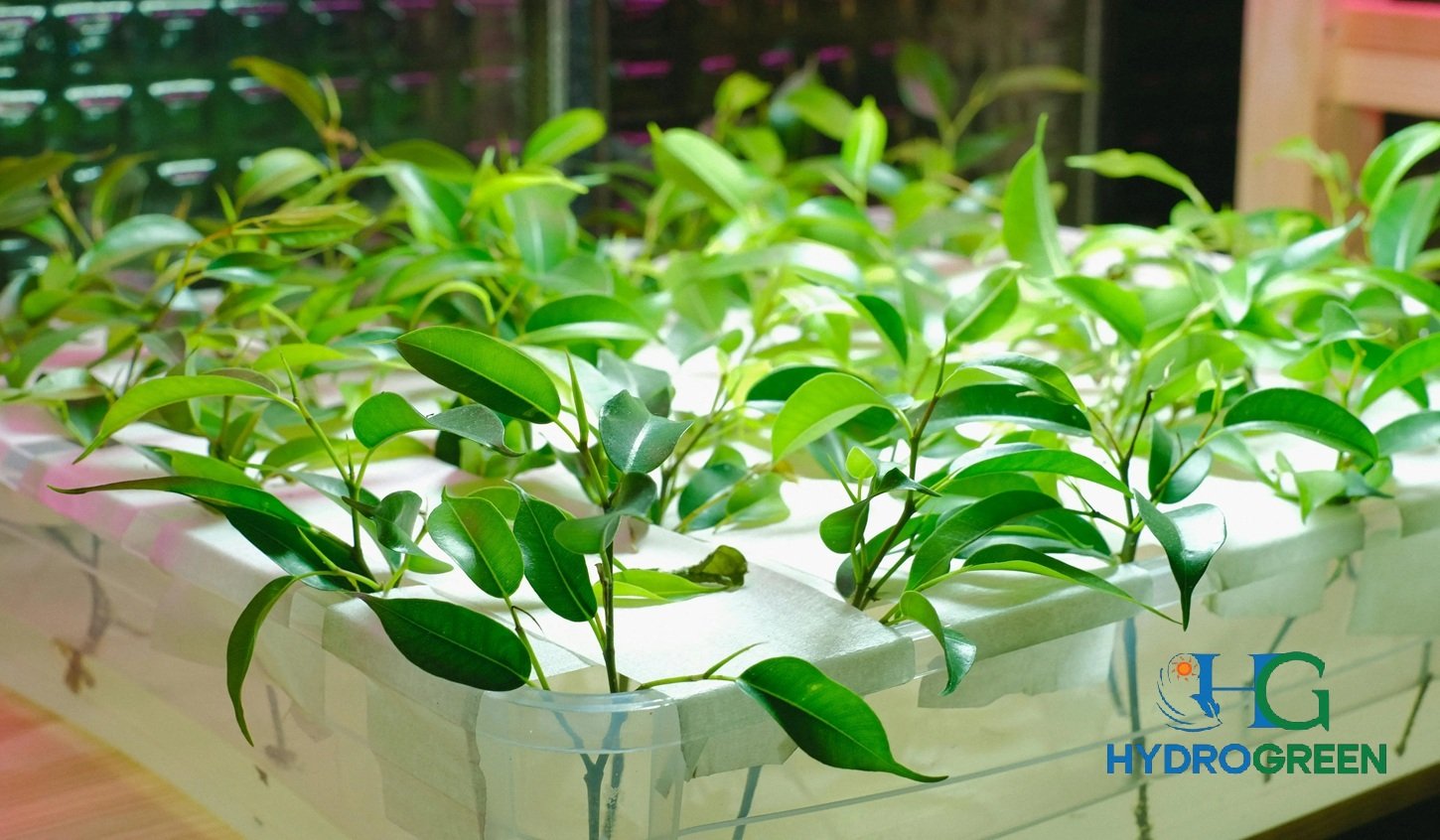
Hydroponics is a method of growing plants without soil by delivering nutrients directly to their roots through water. Instead of relying on soil to supply minerals, growers use nutrient-rich water solutions and controlled environments to support plant growth.
At its core, hydroponic gardening focuses on giving plants exactly what they need — light, water, nutrients, and oxygen — in a highly efficient way. Because plants don’t spend energy searching through soil for nutrients, they often grow faster and produce higher yields.
Plants don’t actually need soil itself. They need:
In hydroponics, these elements are carefully managed and delivered directly to the plant. Think of it as precision farming on a smaller scale.
Understanding how hydroponics works is simpler than it sounds. The system replaces soil with an alternative growing medium — such as clay pellets, coco coir, or rockwool — or sometimes no medium at all.
Here’s the basic process:
Because nutrient delivery is precise, plants can grow in less space while using up to significantly less water compared to traditional agriculture.
Imagine a small kitchen system growing basil:
This closed-loop design keeps maintenance manageable while maximizing efficiency.
There are several types of hydroponic systems, each suited to different goals, budgets, and experience levels.
In a DWC system, plant roots sit directly in oxygenated nutrient water.
Best for: Beginners and leafy greens
Pros: Simple setup, fast growth
Example crops: Lettuce, spinach, herbs
A thin film of nutrient solution continuously flows past roots in channels.
Best for: Commercial growers and advanced hobbyists
Pros: Efficient nutrient use
Challenges: Requires consistent water flow
The growing tray periodically floods with nutrient water and then drains back.
Best for: Flexible plant choices
Pros: Good oxygen exposure for roots
Nutrient solution drips slowly onto plant roots through tubes.
Best for: Larger setups
Pros: Scalable and widely used commercially
Roots hang in air and are misted with nutrients.
Best for: High-tech or research environments
Pros: Maximum oxygen exposure, rapid growth
Challenges: Higher cost and maintenance
Hydrogreen several compelling advantages for both beginners and professionals.
Because nutrients are immediately available, many plants grow faster than in soil.
Hydroponic systems recirculate water, often using far less than traditional gardening methods.
You can grow vertically or indoors, making hydroponics ideal for urban spaces.
Without soil, many common pests and diseases are reduced.
Controlled environments mean you’re not limited by seasons.
Hydroponics combines science, sustainability, and innovation to create a smarter way of growing food. By understanding how hydroponics works, choosing the right system, and starting with manageable goals, anyone can begin a rewarding journey into hydroponic gardening.
Whether you’re a hobbyist looking for fresh herbs year-round or a professional exploring efficient agricultural methods, hydroponics offers flexibility and impressive results.
Ready to start your hydroponic journey? Begin small, experiment often, and let your plants teach you along the way. The future of growing might just be water-based — and it could start in your home today.
~TANYA TOMAR
(Protected Cultivation Expert)