
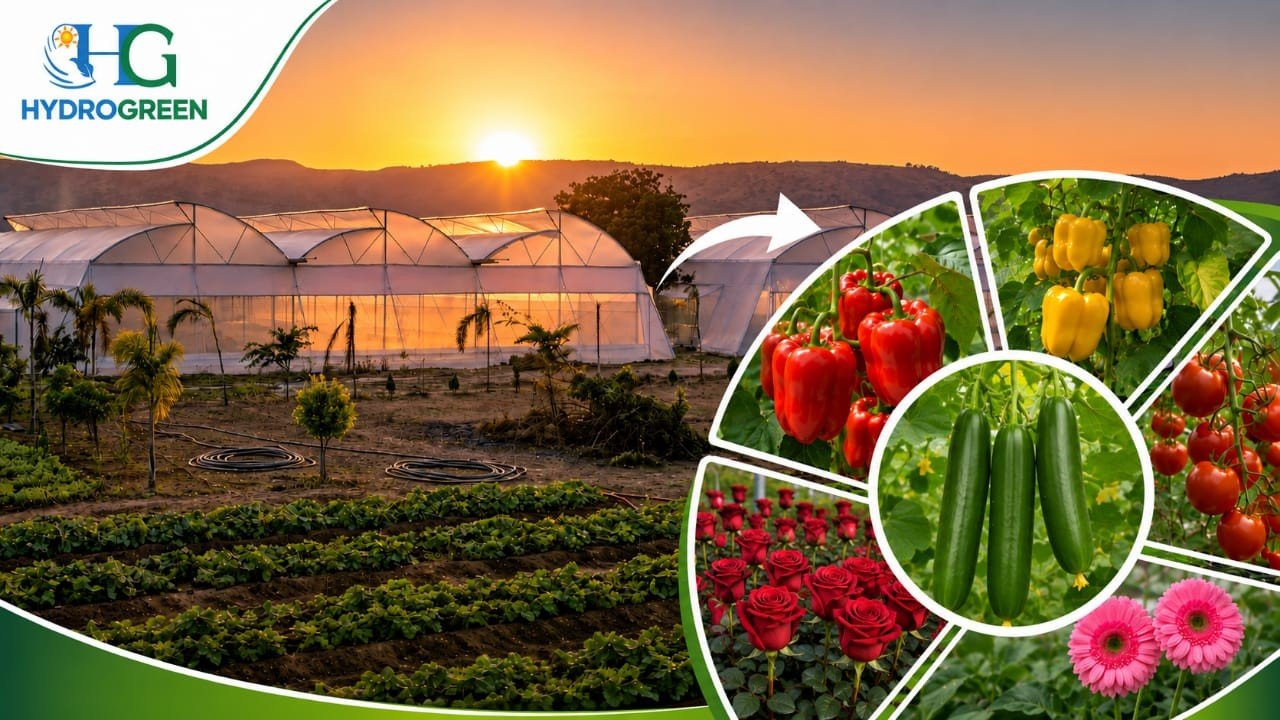
We are a trusted supplier of Naturally Ventilated, Walk-in Tunnel, High-Tech, and Polyhouse structures, offering durable and customized solutions for modern farming.
 Request a Call Back
A polyhouse is a protected cultivation structure designed to create a more stable growing environment by reducing the direct impact of external weather conditions. The covered structure helps growers manage key cultivation factors such as ventilation, irrigation, humidity, crop support and growing conditions.
At Hydrogreen, polyhouse solutions are planned around the crop, climate, site conditions, cultivation method and operational requirements—creating a system that works as part of the complete farm rather than as an isolated structure.
Greenhouses | Polyhouses | Shade Net Houses | Tunnels - Smart solutions for a greener tomorrow!
Contact UsPolyhouses are available in different types based on ventilation, climate control, and crop requirements. Common types include naturally ventilated polyhouses, climate-controlled polyhouses, and fan-and-pad polyhouses, each designed to create a suitable protected environment for healthy crop growth.
Designed with natural airflow through side and roof ventilation, this polyhouse helps regulate temperature and humidity. It is a cost-effective option for growing crops in suitable climatic conditions.
A Walking Tunnel Polyhouse is a semi-circular protected structure covered with polyethylene film, designed to provide a controlled growing environment for crops. It offers protection from harsh weather, pests, and temperature fluctuations while supporting better crop growth and yield.
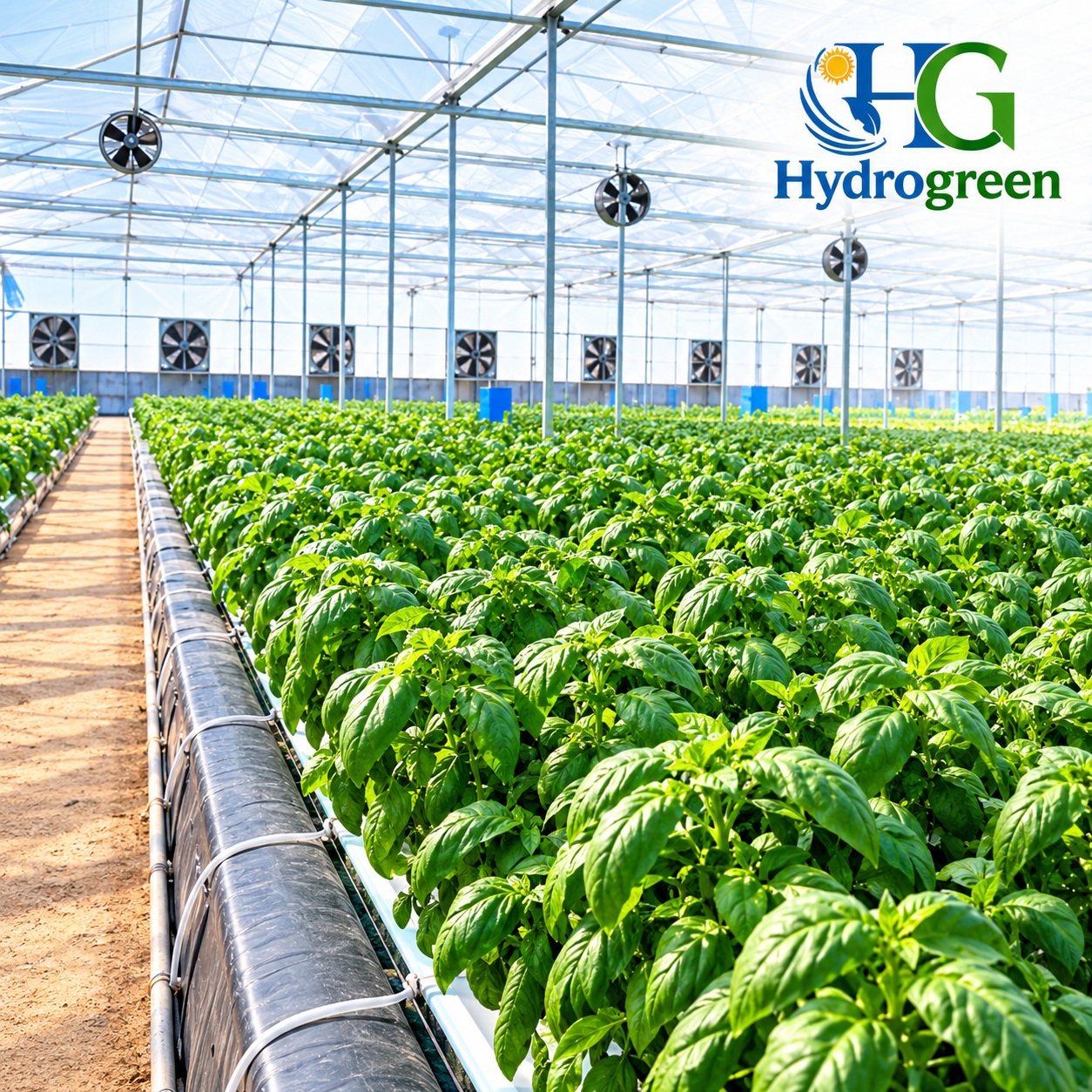
A High-Tech Polyhouse uses advanced automation and climate-control systems to manage temperature, humidity, ventilation, irrigation, and other growing conditions. It is suitable for high-value and sensitive crops where precise environmental control and higher productivity are required.
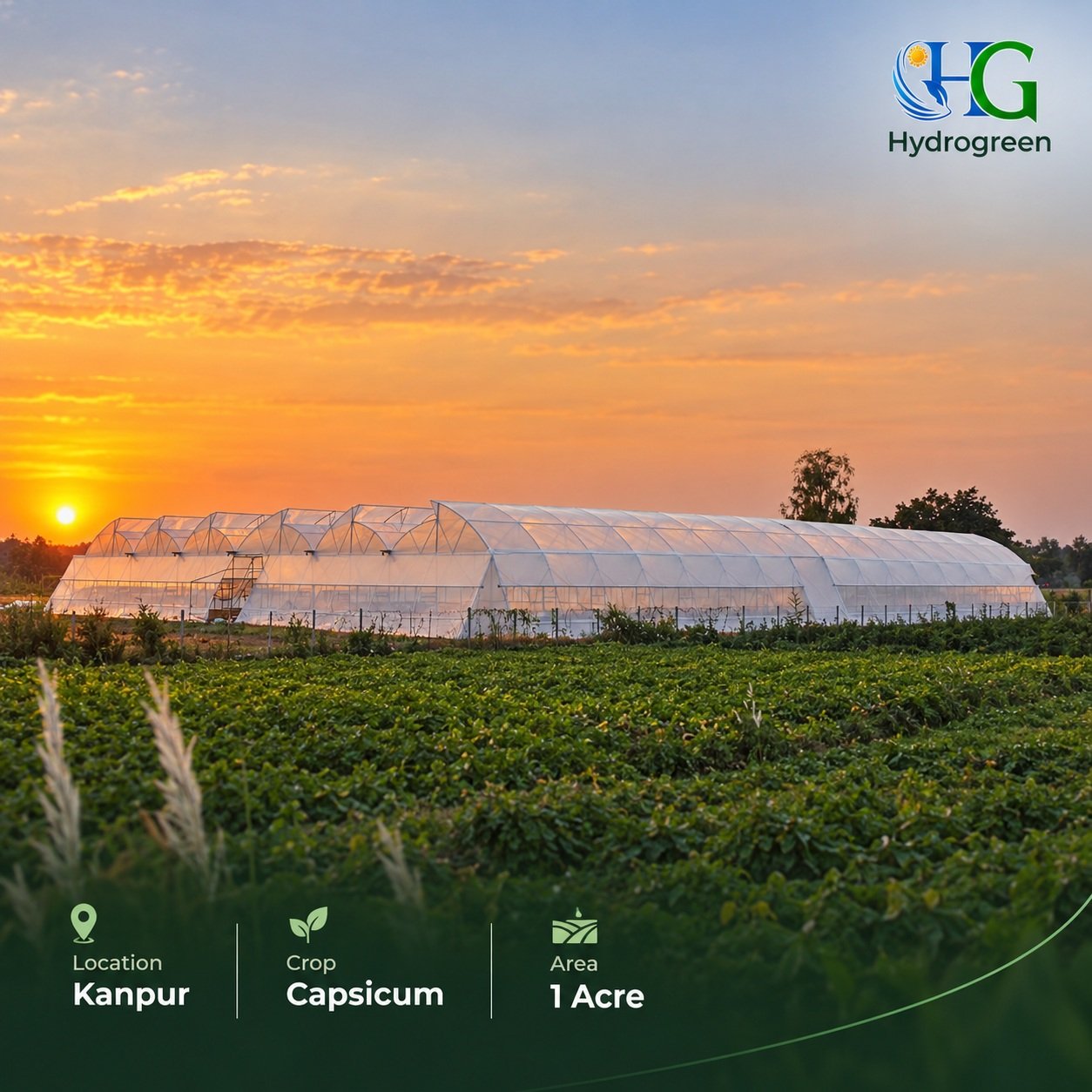
A naturally ventilated polyhouse uses strategically designed openings to encourage the movement of outside air through the growing area without depending primarily on mechanical cooling.
Key Characteristics:
Best Suited for:
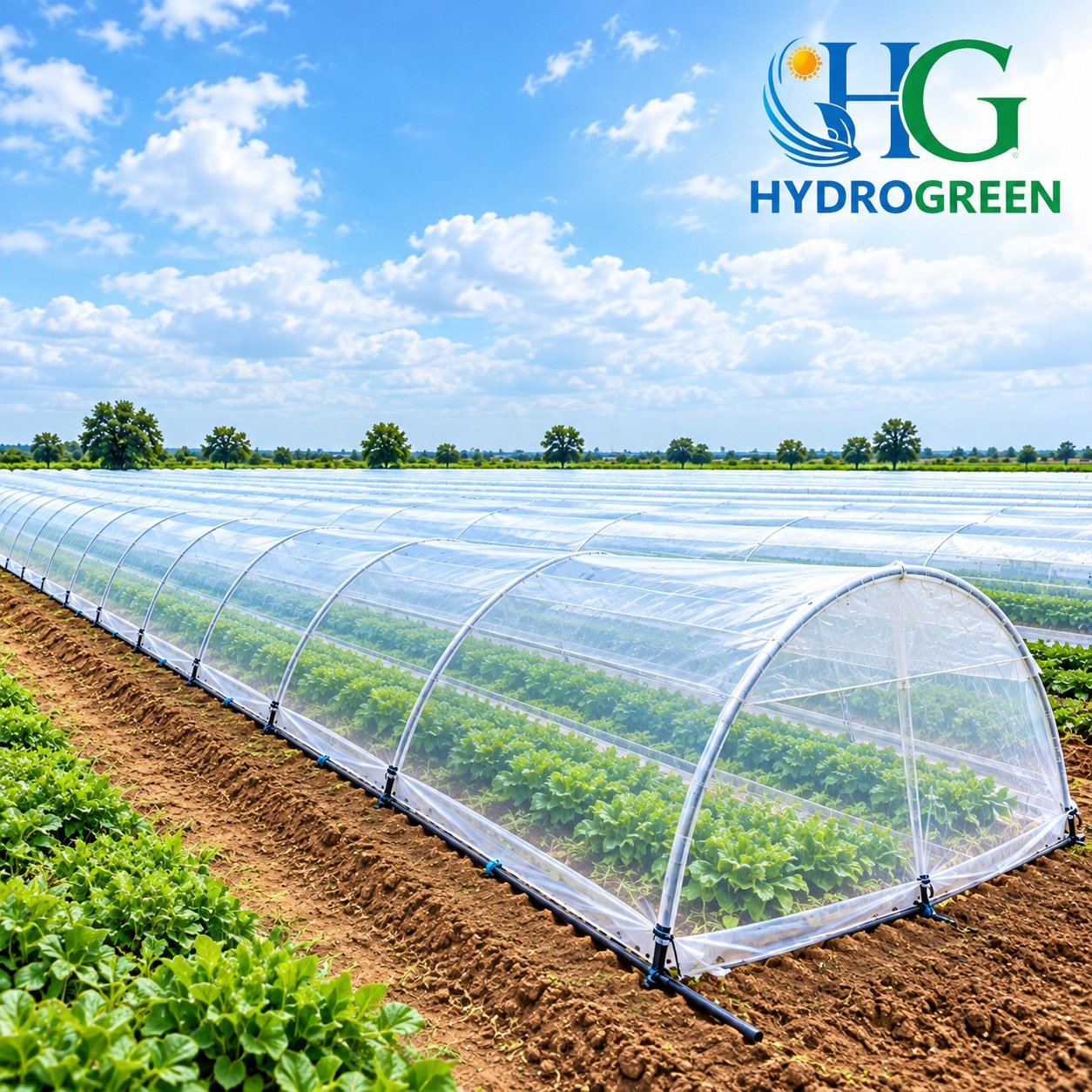
A walking tunnel polyhouse is a compact protected structure designed around accessibility, crop management and efficient utilisation of growing space. Its tunnel configuration creates a protected cultivation zone while allowing operators to move through the structure for routine crop activities.
Key Characteristics:
Best Suited for:
A high-tech polyhouse is designed for growers who require a higher level of environmental control and system integration. Instead of relying primarily on passive environmental management, the structure can incorporate active systems for ventilation, cooling, irrigation and other cultivation parameters.
Key Characteristics:
Best Suited for:
Quality of products is and always has been our priority, and we are committed to our customer s satisfaction! Here are the facts why our customers prefer us:
We are committed to providing on-time deliveries, high-quality products, and competitive pricing to meet our customers’ requirements. With a modern manufacturing unit, strong distribution network, fair business practices, and a diverse range of quality products, we ensure reliable solutions and consistent value for our customers.
A: A polyhouse is a protected farming structure covered with a specialized polyethylene film that creates a controlled environment for crop cultivation. It helps regulate factors such as temperature, humidity, ventilation, and light while protecting crops from adverse weather conditions and pests.
A: Polyhouse farming provides better control over growing conditions, protects crops from extreme weather and pests, and can support improved crop quality and productivity. It also allows farmers to cultivate certain crops beyond their normal growing season.
A: Common types include Naturally Ventilated Polyhouses, Fan & Pad Polyhouses, Walking Tunnel Polyhouses, and High-Tech Polyhouses. The suitable option depends on the crop, local climate, budget, and level of environmental control required.
A: A wide range of vegetables, flowers, fruits, herbs, and nursery plants can be cultivated in polyhouses. Common examples include tomatoes, capsicum, cucumber, strawberry, flowers, leafy vegetables, and seedlings, depending on the growing conditions and system used.
A: The cost of a polyhouse depends on factors such as size, structure, covering material, irrigation and fertigation systems, ventilation, climate-control equipment, and level of automation. A customized quotation is generally provided after evaluating the farm and crop requirements.
A: The installation time depends on the size, design, site conditions, structure, and equipment required. After assessing the project requirements, the installation timeline can be planned according to the specific site and configuration.
A: Yes, polyhouses can be customized based on crop type, farm size, local climate, irrigation requirements, ventilation needs, and desired level of automation. Systems such as drip irrigation, fertigation, crop support, cooling, and environmental controls can be integrated as required.