
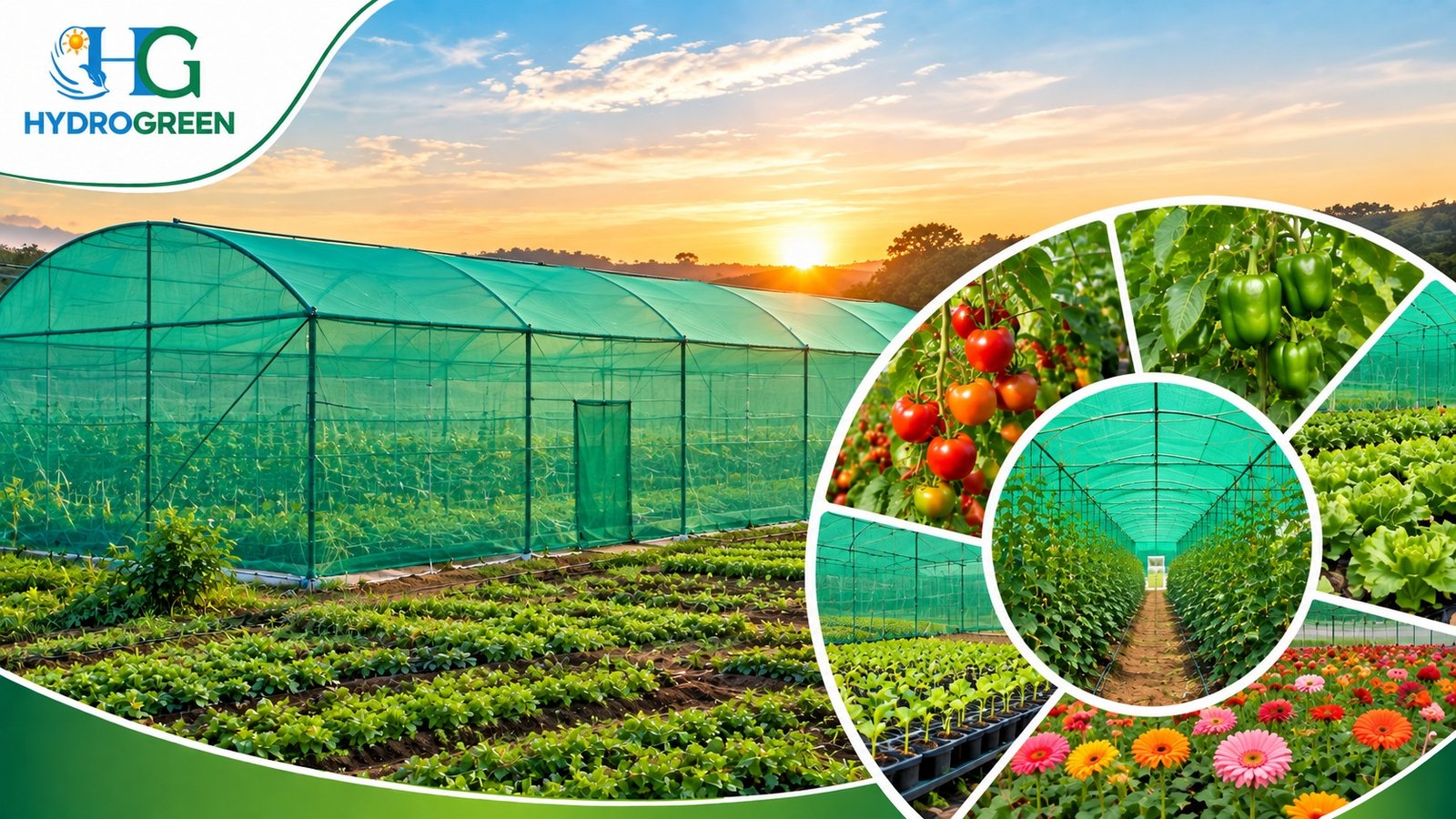
We are a trusted supplier of Flat Roof, Dome-Shaped, Tunnel-Type, and Wire-Rope Net House structures, offering durable and customized solutions designed for modern protected cultivation, crop protection, and efficient farming.
 Request a Call Back
A net house is a protected cultivation structure that uses specialised agricultural nets to create a physical barrier against selected environmental and biological stresses while retaining substantial natural airflow. Compared with fully covered structures, net houses can provide a more open cultivation environment where ventilation and light management are important considerations.
Hydrogreen develops net-house solutions according to crop requirement, climatic conditions, structural configuration and farm application.
Greenhouses | Polyhouses | Shade Net Houses | Tunnels - Smart solutions for a greener tomorrow!
Contact UsNet Houses are available in different types based on their structure, netting design, and crop protection requirements. Common types include Flat Roof, Dome-Shaped, Tunnel-Type, and Wire-Rope Net Houses, each designed to provide suitable protection, natural ventilation, and a supportive environment for healthy crop growth.
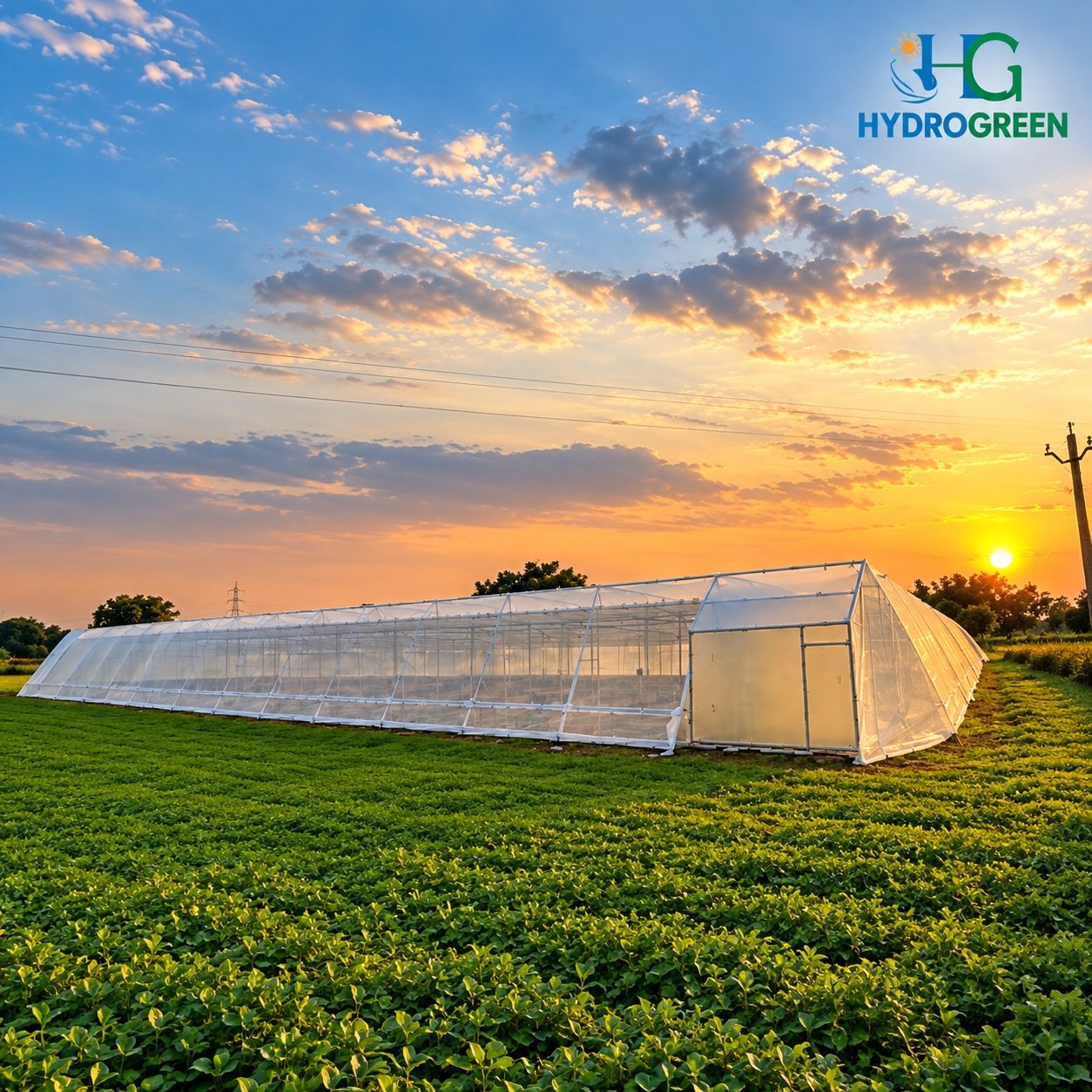
A Flat Roof Shade Net House is a protected cultivation structure covered with shade netting to reduce excessive sunlight and heat. It provides natural ventilation while helping protect crops from harsh weather, birds, and insects. Ideal for crops requiring controlled sunlight and a cooler, well-ventilated growing environment.
A Dome-Shaped Net House is a curved protected cultivation structure covered with agricultural-grade netting. Its dome design provides good natural airflow while helping protect crops from insects, birds, and harsh weather. It is suitable for crops that require protection, ventilation, and balanced growing conditions.
A Wire-Rope Net House is a lightweight protected cultivation structure supported by a durable wire-rope framework and agricultural netting. It provides effective protection from insects, birds, and excessive sunlight while allowing natural airflow. Ideal for cost-effective crop protection and cultivation in suitable climatic conditions.
The flat roof shade net house is a practical protected cultivation structure designed to provide shade while maintaining a naturally ventilated growing environment.
Key Characteristics:
Best Suited for:
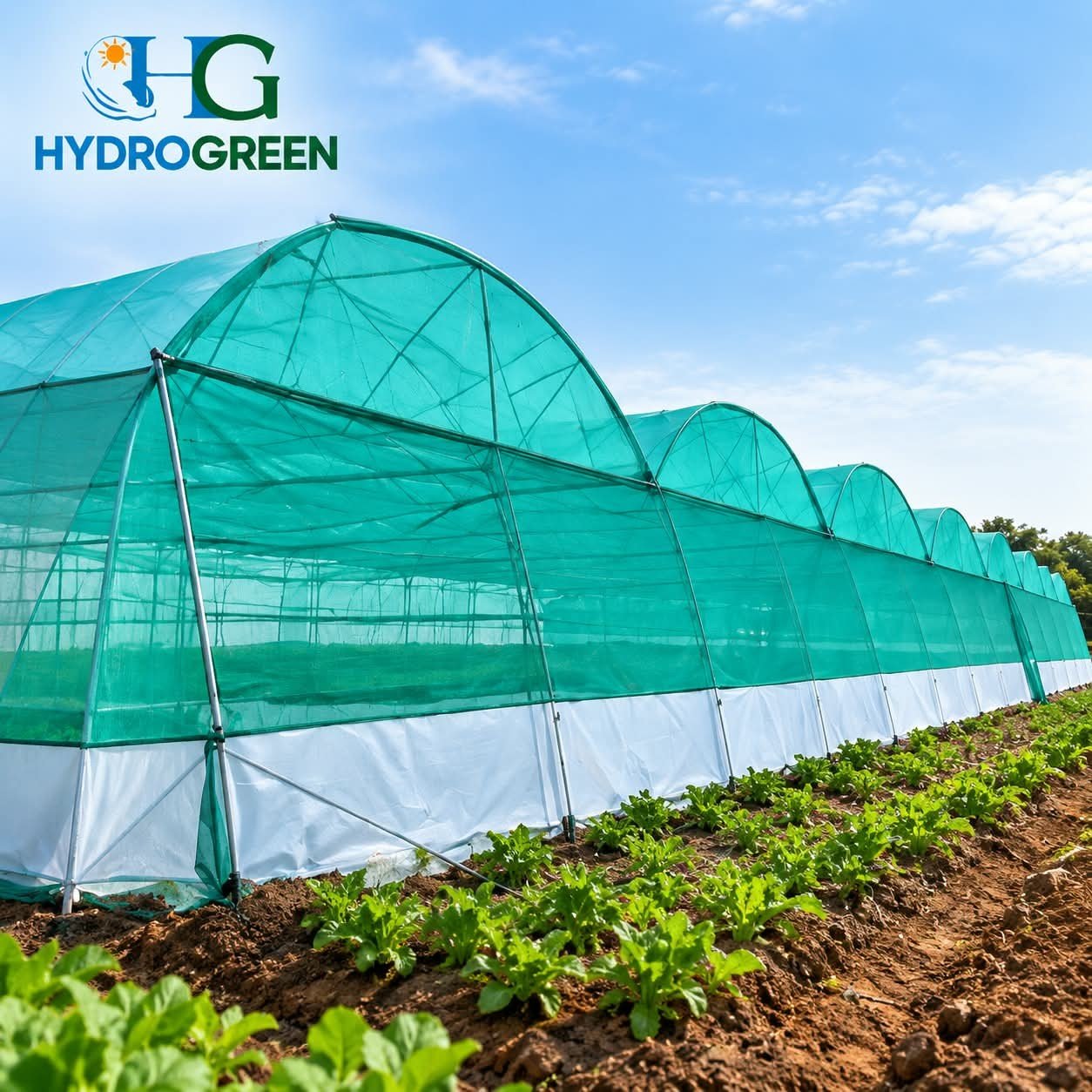
The dome-shaped net house uses a curved structural profile to create a spacious protected cultivation environment while maintaining airflow and functional coverage. The geometry can also provide an efficient structural form for applications where a curved roof profile is preferred.
Key Characteristics:
Best Suited for:
Quality of products is and always has been our priority, and we are committed to our customer s satisfaction! Here are the facts why our customers prefer us:
We are committed to providing on-time deliveries, high-quality products, and competitive pricing to meet our customers’ requirements. With a modern manufacturing unit, strong distribution network, fair business practices, and a diverse range of quality products, we ensure reliable solutions and consistent value for our customers.
A: A Net House is a protected cultivation structure covered with agricultural-grade netting that helps protect crops from insects, birds, excessive sunlight, and harsh environmental conditions while maintaining natural ventilation.
A: A Net House helps reduce pest damage, provides shade and protection, improves crop growing conditions, and allows better airflow compared with fully enclosed structures.
A: Net Houses are suitable for vegetables, fruits, flowers, nurseries, and other crops that benefit from protection against insects, birds, and excessive sunlight.
A: Common types include Flat Roof Net Houses, Dome-Shaped Net Houses, Wire-Rope Net Houses, and other designs based on crop requirements, climate, and site conditions.
A: The fine mesh netting acts as a physical barrier that helps prevent many insects and birds from reaching the crops while still allowing air and light to pass through.
A: Net Houses can be designed for different climatic conditions, but the appropriate net type, structure, ventilation, and shading should be selected according to the local climate and crop requirements.
A: The cost depends on factors such as the size, structural design, type of netting, material quality, site conditions, and additional features such as irrigation or fertigation systems.